Showing posts with label n8n. Show all posts

Thursday, January 29, 2026

Never Miss a Critical Oracle Alert Again: Automate Database Monitoring with n8n and Telegram

n8n Workflow: Oracle DB Alerts to Telegram (Production Ready) - Chetan Yadav
Chetan Yadav
Senior Oracle & Cloud DBA
Real-World Databases • Cloud • Reliability • Careers
LevelUp Careers Initiative
⏱️ Estimated Reading Time: 14–16 minutes

n8n Workflow: Oracle DB Alerts to Telegram (Production Ready)

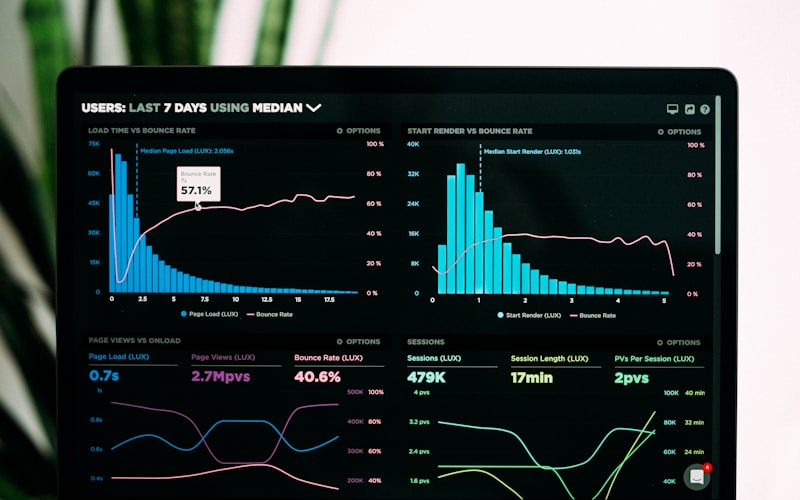
n8n workflow automation dashboard showing Oracle database monitoring alerts integrated with Telegram messaging platform

It's 3:47 AM on a Saturday morning.

Your phone buzzes with a Telegram notification: "CRITICAL: Production DB tablespace USERS at 96% capacity. Transaction processing slowing down. Action required within 15 minutes."

You grab your laptop, SSH into the database server, and within 8 minutes you've added a new datafile and cleared the alert. The system continues running smoothly. Your users never noticed a thing.

How did you get notified so quickly, with such precise information, without checking email or logging into monitoring systems?

This is the power of a well-designed n8n workflow that bridges your Oracle database alerts directly to Telegram—giving you instant, actionable notifications wherever you are.

In this comprehensive guide, I'll show you exactly how to build a production-ready n8n workflow that monitors Oracle databases and sends intelligent, contextual alerts to Telegram. This isn't a basic tutorial—this is the system we've battle-tested across multiple production environments, handling everything from tablespace alerts to session monitoring to backup failures.

1. Why n8n for Database Alert Automation?

When building alert automation for Oracle databases, you have several options: custom Python scripts, Oracle Enterprise Manager, third-party monitoring tools, or workflow automation platforms. Here's why n8n stands out:

Visual Workflow Builder: Unlike writing scripts from scratch, n8n provides a drag-and-drop interface where you can see your entire alert flow. This makes debugging significantly easier when you're troubleshooting at 2 AM.

Built-in Database Connectors: n8n includes native PostgreSQL support and generic database connectivity that works perfectly with Oracle via node-oracledb. No need to manage database driver installations separately.

Self-Hosted and Open Source: You maintain complete control over your data and workflows. Your sensitive database connection strings never leave your infrastructure.

Rich Integration Ecosystem: Beyond Telegram, you can easily add Slack, PagerDuty, email, SMS, or webhook integrations to the same workflow. Need to escalate critical alerts to PagerDuty after 10 minutes? Just add another node.

Advanced Scheduling: n8n's cron-based scheduling is more flexible than Oracle's DBMS_SCHEDULER for external notifications, and you can adjust timing without database restarts.

⚠️ Important Consideration: While n8n is excellent for alert automation, it should not replace your primary monitoring infrastructure (like Oracle Enterprise Manager or Zabbix). Think of n8n as the notification delivery system that enhances your existing monitoring, not replaces it.

2. Prerequisites and Environment Setup

Before diving into the workflow, ensure you have the following components ready:

Server Requirements

  • Operating System: Linux server (Ubuntu 20.04+ or RHEL 8+ recommended)
  • RAM: Minimum 2GB (4GB recommended for production)
  • CPU: 2 cores minimum
  • Disk Space: 10GB minimum (workflows, logs, and node_modules)
  • Network: Access to both your Oracle database and Telegram API (api.telegram.org)

Software Dependencies

  • Node.js: Version 18.x or 20.x (n8n doesn't support Node.js 16 anymore)
  • npm: Comes with Node.js installation
  • Oracle Instant Client: Required for Oracle database connectivity
  • node-oracledb: Node.js driver for Oracle (installed via npm)

Database Access

  • Oracle User: Create a dedicated monitoring user with SELECT privileges on required views
  • Views Required: DBA_TABLESPACES, DBA_DATA_FILES, V$SESSION, V$BACKUP, DBA_JOBS (depending on your monitoring needs)
  • Network Access: Ensure your n8n server can reach the Oracle listener port (typically 1521)
-- Create dedicated monitoring user in Oracle CREATE USER n8n_monitor IDENTIFIED BY "SecurePassword123!"; GRANT CONNECT TO n8n_monitor; GRANT SELECT ON DBA_TABLESPACES TO n8n_monitor; GRANT SELECT ON DBA_DATA_FILES TO n8n_monitor; GRANT SELECT ON DBA_FREE_SPACE TO n8n_monitor; GRANT SELECT ON V$SESSION TO n8n_monitor; GRANT SELECT ON V$SYSSTAT TO n8n_monitor; GRANT SELECT ON DBA_JOBS TO n8n_monitor;

Telegram Account

  • Active Telegram account (personal or dedicated for monitoring)
  • Ability to create bots via BotFather
  • Understanding of Telegram chat IDs and bot tokens

3. Setting Up Telegram Bot and Channel

The first step is creating a Telegram bot that will send your database alerts. This process takes about 5 minutes.

Creating Your Telegram Bot

  1. Open Telegram and search for @BotFather (the official bot creation tool)
  2. Send the command: /newbot
  3. Provide a name for your bot (e.g., "Oracle DB Monitor")
  4. Provide a unique username ending in "bot" (e.g., "oracle_db_alerts_bot")
  5. BotFather will generate an API token—save this securely, you'll need it in n8n

Your token will look like this: 1234567890:ABCdefGHIjklMNOpqrsTUVwxyz

Getting Your Chat ID

n8n needs to know where to send messages. You can send to:

  • Personal chat: Direct messages to yourself
  • Group chat: Messages to a team channel
  • Channel: Broadcast to subscribers

To get your personal chat ID:

  1. Send any message to your new bot
  2. Visit: https://api.telegram.org/bot<YOUR_TOKEN>/getUpdates
  3. Look for the "chat":{"id":123456789} value

For group chats, add your bot to the group first, then use the same getUpdates method.

💡 Pro Tip: Create separate Telegram channels for different alert severities. Use one channel for critical alerts (tablespace full, backup failures) and another for informational alerts (scheduled job completions). This prevents alert fatigue and ensures critical issues get immediate attention.

4. Installing and Configuring n8n

There are multiple ways to install n8n. For production environments, I recommend using Docker or PM2 with npm.

Method 1: Docker Installation (Recommended)

# Pull the n8n Docker image docker pull n8nio/n8n # Create a volume for persistent data docker volume create n8n_data # Run n8n container docker run -d \ --name n8n \ -p 5678:5678 \ -v n8n_data:/home/node/.n8n \ -e N8N_BASIC_AUTH_ACTIVE=true \ -e N8N_BASIC_AUTH_USER=admin \ -e N8N_BASIC_AUTH_PASSWORD=YourSecurePassword \ -e WEBHOOK_URL=https://your-domain.com/ \ n8nio/n8n

Method 2: PM2 Installation (Direct on Server)

# Install n8n globally npm install n8n -g # Install PM2 for process management npm install pm2 -g # Start n8n with PM2 pm2 start n8n --name "n8n-workflow" -- start # Configure PM2 to start on system boot pm2 startup pm2 save

Installing Oracle Dependencies

Since we're connecting to Oracle, you need the Oracle Instant Client:

# Download Oracle Instant Client (example for Linux x64) wget https://download.oracle.com/otn_software/linux/instantclient/instantclient-basic-linux.x64.zip # Unzip to /opt/oracle sudo mkdir -p /opt/oracle sudo unzip instantclient-basic-linux.x64.zip -d /opt/oracle # Set environment variables export LD_LIBRARY_PATH=/opt/oracle/instantclient_21_1:$LD_LIBRARY_PATH # Install node-oracledb in n8n directory cd ~/.n8n npm install oracledb

Accessing n8n Web Interface

Once n8n is running, access it at: http://your-server-ip:5678

For production deployments, configure a reverse proxy (Nginx) with SSL/TLS:

# Nginx configuration for n8n server { listen 443 ssl; server_name n8n.yourdomain.com; ssl_certificate /etc/letsencrypt/live/n8n.yourdomain.com/fullchain.pem; ssl_certificate_key /etc/letsencrypt/live/n8n.yourdomain.com/privkey.pem; location / { proxy_pass http://localhost:5678; proxy_http_version 1.1; proxy_set_header Upgrade $http_upgrade; proxy_set_header Connection 'upgrade'; proxy_set_header Host $host; proxy_cache_bypass $http_upgrade; } }

5. Configuring Oracle Database Connection in n8n

n8n doesn't have a native Oracle node, but we can use the Execute Command node with SQL*Plus or the Function node with node-oracledb.

Method 1: Using Function Node with node-oracledb (Recommended)

Create a credential in n8n:

  1. Go to Settings → Credentials → New Credential
  2. Choose Function (we'll store connection details here)
  3. Create a reusable connection configuration
n8n workflow editor showing Function node configuration for Oracle database connection with node-oracledb

Here's the Function node code template for Oracle connectivity:

const oracledb = require('oracledb'); // Oracle connection configuration const dbConfig = { user: 'n8n_monitor', password: 'SecurePassword123!', connectString: 'production-db.company.com:1521/PRODDB' }; // SQL query to execute const query = ` SELECT tablespace_name, ROUND((used_space/total_space)*100, 2) as pct_used, ROUND(total_space/1024/1024, 2) as total_mb, ROUND(used_space/1024/1024, 2) as used_mb FROM ( SELECT a.tablespace_name, a.bytes as total_space, a.bytes - NVL(b.bytes, 0) as used_space FROM (SELECT tablespace_name, SUM(bytes) bytes FROM dba_data_files GROUP BY tablespace_name) a, (SELECT tablespace_name, SUM(bytes) bytes FROM dba_free_space GROUP BY tablespace_name) b WHERE a.tablespace_name = b.tablespace_name(+) ) WHERE (used_space/total_space)*100 > 85 ORDER BY pct_used DESC `; let connection; try { connection = await oracledb.getConnection(dbConfig); const result = await connection.execute(query, [], { outFormat: oracledb.OUT_FORMAT_OBJECT }); return result.rows.map(row => ({ json: row })); } catch (err) { throw new Error(`Database error: ${err.message}`); } finally { if (connection) { try { await connection.close(); } catch (err) { console.error(err); } } }

Method 2: Using Execute Command with SQL*Plus

Alternatively, you can use SQL*Plus if you prefer:

sqlplus -S n8n_monitor/SecurePassword123!@PRODDB <<EOF SET PAGESIZE 0 SET FEEDBACK OFF SET HEADING OFF SELECT tablespace_name || '|' || ROUND((used_space/total_space)*100, 2) || '|' || ROUND(total_space/1024/1024, 2) || '|' || ROUND(used_space/1024/1024, 2) FROM ( SELECT a.tablespace_name, a.bytes as total_space, a.bytes - NVL(b.bytes, 0) as used_space FROM (SELECT tablespace_name, SUM(bytes) bytes FROM dba_data_files GROUP BY tablespace_name) a, (SELECT tablespace_name, SUM(bytes) bytes FROM dba_free_space GROUP BY tablespace_name) b WHERE a.tablespace_name = b.tablespace_name(+) ) WHERE (used_space/total_space)*100 > 85; EXIT; EOF
⚠️ Security Warning: Never hardcode credentials in workflow nodes. Use n8n's credential system or environment variables. In production, consider using Oracle Wallet for password-free authentication.

6. The Complete Workflow Design

Now let's build the actual workflow. A production-ready Oracle-to-Telegram workflow consists of several key components:

Workflow Architecture Overview

  1. Schedule Trigger: Runs the workflow every 5-15 minutes (depending on your requirements)
  2. Database Query Node: Executes monitoring queries against Oracle
  3. Data Transformation Node: Formats query results for readability
  4. Conditional Logic Node: Filters alerts based on severity thresholds
  5. Message Formatter Node: Creates rich Telegram messages with emojis and formatting
  6. Telegram Send Node: Delivers the alert to your channel
  7. Error Handler Node: Catches and logs any failures
  8. Notification Logger Node: Records all sent alerts for audit purposes
Complete n8n workflow diagram showing all nodes from schedule trigger through Oracle query to Telegram notification with error handling

Step-by-Step Workflow Creation

Step 1: Create a New Workflow

In n8n, click New Workflow and give it a descriptive name like "Oracle Tablespace Alerts to Telegram".

Step 2: Add Schedule Trigger

Add a Schedule Trigger node:

  • Mode: Interval
  • Interval: Every 10 minutes (adjust based on your needs)
  • For critical systems, consider 5-minute intervals

Step 3: Add Function Node for Oracle Query

Use the Function node code from section 5. This executes your monitoring query.

Step 4: Add IF Node for Conditional Logic

Add an IF node to filter results:

  • Condition: {{ $json.pct_used > 85 }}
  • This ensures alerts only trigger when tablespace usage exceeds 85%

Step 5: Add Code Node for Message Formatting

// Format data for Telegram message const items = $input.all(); if (items.length === 0) { return [{ json: { skip: true, message: "No alerts to send" } }]; } let message = "🚨 *ORACLE DATABASE ALERT* 🚨\n\n"; message += `⚠️ High Tablespace Usage Detected\n`; message += `Database: PRODDB\n`; message += `Time: ${new Date().toLocaleString()}\n\n`; items.forEach((item, index) => { const data = item.json; const emoji = data.pct_used >= 95 ? "🔴" : data.pct_used >= 90 ? "🟡" : "⚪"; message += `${emoji} *${data.tablespace_name}*\n`; message += ` Usage: ${data.pct_used}%\n`; message += ` Total: ${data.total_mb} MB\n`; message += ` Used: ${data.used_mb} MB\n\n`; }); message += "━━━━━━━━━━━━━━━━━━━━\n"; message += "Action Required: Add datafile or clean up space"; return [{ json: { message: message, parse_mode: "Markdown" } }];

Step 6: Add Telegram Node

Add a Telegram node:

  • Credential: Your bot token from section 3
  • Chat ID: Your target chat/channel ID
  • Message: {{ $json.message }}
  • Parse Mode: Markdown

Step 7: Add Error Handler

Connect an Error Trigger to a separate notification path that alerts you if the monitoring itself fails.

7. Production-Ready Oracle Alert Queries

Here are battle-tested SQL queries for common Oracle monitoring scenarios:

Tablespace Monitoring (Critical)

SELECT tablespace_name, ROUND((used_space/total_space)*100, 2) as pct_used, ROUND((total_space-used_space)/1024/1024, 2) as free_mb, ROUND(total_space/1024/1024, 2) as total_mb FROM ( SELECT a.tablespace_name, a.bytes as total_space, a.bytes - NVL(b.bytes, 0) as used_space FROM (SELECT tablespace_name, SUM(bytes) bytes FROM dba_data_files GROUP BY tablespace_name) a, (SELECT tablespace_name, SUM(bytes) bytes FROM dba_free_space GROUP BY tablespace_name) b WHERE a.tablespace_name = b.tablespace_name(+) ) WHERE (used_space/total_space)*100 > 85 ORDER BY pct_used DESC;

Active Session Monitoring

SELECT COUNT(*) as total_sessions, SUM(CASE WHEN status = 'ACTIVE' THEN 1 ELSE 0 END) as active_sessions, SUM(CASE WHEN blocking_session IS NOT NULL THEN 1 ELSE 0 END) as blocked_sessions FROM v$session WHERE username IS NOT NULL HAVING COUNT(*) > 100 OR SUM(CASE WHEN blocking_session IS NOT NULL THEN 1 ELSE 0 END) > 0;

Failed Backup Detection

SELECT session_key, input_type, status, TO_CHAR(start_time, 'YYYY-MM-DD HH24:MI:SS') as start_time, TO_CHAR(end_time, 'YYYY-MM-DD HH24:MI:SS') as end_time, elapsed_seconds FROM v$rman_backup_job_details WHERE start_time >= TRUNC(SYSDATE) - 1 AND status IN ('FAILED', 'FAILED WITH WARNINGS') ORDER BY start_time DESC;

Invalid Objects Alert

SELECT owner, object_type, COUNT(*) as invalid_count FROM dba_objects WHERE status = 'INVALID' AND owner NOT IN ('SYS', 'SYSTEM', 'XDB', 'MDSYS') GROUP BY owner, object_type HAVING COUNT(*) > 5 ORDER BY invalid_count DESC;

Long Running Queries

SELECT s.sid, s.serial#, s.username, s.program, ROUND(sl.elapsed_seconds/60, 2) as elapsed_minutes, sl.sql_text FROM v$session s JOIN v$sql sl ON s.sql_id = sl.sql_id WHERE s.status = 'ACTIVE' AND sl.elapsed_seconds > 3600 AND s.username IS NOT NULL ORDER BY sl.elapsed_seconds DESC;

8. Telegram Message Formatting and Rich Notifications

Telegram supports rich formatting including bold, italic, code blocks, and emojis. Here's how to create professional, readable alerts:

Using Markdown Formatting

let message = ` 🚨 *CRITICAL DATABASE ALERT* 🚨 *Tablespace:* USERS *Usage:* 96.5% *Free Space:* 180 MB *Total Space:* 5000 MB ⏰ *Time:* ${new Date().toLocaleString('en-US', { timeZone: 'America/New_York' })} 🖥️ *Database:* PRODDB 🏢 *Environment:* Production ━━━━━━━━━━━━━━━━━━━━ *Recommended Actions:* 1. Add new datafile immediately 2. Review space consumption patterns 3. Clean up old data if possible *Commands:* \`\`\` ALTER TABLESPACE USERS ADD DATAFILE '/u01/oradata/PRODDB/users02.dbf' SIZE 2G; \`\`\` `;

Severity-Based Emoji System

  • 🔴 Critical: Requires immediate action (95%+ usage, backup failures)
  • 🟡 Warning: Attention needed soon (85-95% usage)
  • 🟢 Info: Informational (successful backups, completed jobs)
  • Notice: General notifications

Adding Action Buttons (Telegram Bot API)

For advanced implementations, you can add inline buttons that trigger actions:

// Add inline keyboard buttons const replyMarkup = { inline_keyboard: [ [ { text: "📊 View Details", url: "https://monitoring.company.com/tablespace" }, { text: "🔧 Run Cleanup", callback_data: "cleanup_tablespace" } ], [ { text: "✅ Acknowledge", callback_data: "ack_alert" } ] ] }; // Include in Telegram node { json: { message: message, parse_mode: "Markdown", reply_markup: JSON.stringify(replyMarkup) } }

9. Error Handling and Retry Logic

A production-ready monitoring system must handle failures gracefully. Here's how to implement robust error handling:

Error Trigger Node Setup

  1. Add an Error Trigger node to your workflow
  2. This activates when any node in the workflow fails
  3. Connect it to a Telegram notification that alerts you about monitoring failures
// Error notification message const errorMessage = ` ⛔ *MONITORING SYSTEM ERROR* ⛔ *Workflow:* ${$workflow.name} *Error Time:* ${new Date().toLocaleString()} *Error Details:* ${$json.error} *Failed Node:* ${$json.node} ━━━━━━━━━━━━━━━━━━━━ This means database monitoring is currently not functioning. Manual checks required until resolved. `; return [{ json: { message: errorMessage, parse_mode: "Markdown" } }];

Retry Logic for Database Connections

async function executeWithRetry(queryFunc, maxRetries = 3) { for (let attempt = 1; attempt <= maxRetries; attempt++) { try { return await queryFunc(); } catch (error) { if (attempt === maxRetries) { throw new Error(`Failed after ${maxRetries} attempts: ${error.message}`); } // Wait before retry (exponential backoff) await new Promise(resolve => setTimeout(resolve, attempt * 2000)); } } }

Handling Telegram API Rate Limits

Telegram has rate limits (30 messages per second per bot). For high-volume alerts:

  • Batch multiple alerts into a single message
  • Implement queuing with delays between messages
  • Use separate bots for different alert categories

10. Security Best Practices

Security is paramount when connecting monitoring systems to databases. Follow these practices:

Database Security

  • Never use SYS or SYSTEM accounts for monitoring
  • ✅ Create dedicated monitoring user with minimal privileges
  • ✅ Grant only SELECT on required views
  • ✅ Use Oracle Wallet for password-free connections in production
  • ✅ Restrict connections by IP address using Oracle Network ACLs

n8n Security

  • ✅ Enable basic authentication or SSO
  • ✅ Use HTTPS with valid SSL certificates
  • ✅ Store credentials in n8n's encrypted credential store
  • ✅ Use environment variables for sensitive data
  • ✅ Implement IP whitelisting at firewall level
  • ✅ Regular updates to n8n and Node.js

Telegram Security

  • Never share bot tokens publicly
  • ✅ Regenerate bot tokens if compromised
  • ✅ Use private channels/groups for alerts
  • ✅ Limit bot permissions to sending messages only
  • ✅ Validate chat IDs to prevent unauthorized access
⚠️ Production Security Tip: In enterprise environments, consider running n8n behind a VPN or using SSH tunneling for database connections. Never expose n8n directly to the internet without proper authentication and encryption.

11. Testing and Validation

Before deploying to production, thoroughly test your workflow:

Test Checklist

  1. Database Connectivity Test:
    • Execute simple SELECT query: SELECT SYSDATE FROM DUAL
    • Verify connection pooling works correctly
    • Test connection failure scenarios
  2. Query Performance Test:
    • Measure execution time of monitoring queries
    • Ensure queries complete within 10 seconds
    • Add appropriate indexes if needed
  3. Telegram Delivery Test:
    • Send test messages to verify formatting
    • Test with different message lengths
    • Verify emojis and Markdown render correctly
  4. Error Handling Test:
    • Disconnect database and verify error notification
    • Provide invalid credentials and check error handling
    • Test Telegram API failures (revoke token temporarily)
  5. Load Test:
    • Run workflow manually multiple times in succession
    • Verify no memory leaks in n8n process
    • Monitor system resources during execution

Creating Test Data

To test tablespace alerts without actually filling tablespaces:

-- Temporarily modify threshold in query for testing WHERE (used_space/total_space)*100 > 50 -- Lower threshold for testing

12. Monitoring the Monitoring System

Who watches the watchmen? Your monitoring system needs monitoring too:

Health Check Workflow

Create a separate n8n workflow that:

  1. Runs every hour
  2. Checks if your main monitoring workflow executed successfully
  3. Sends a daily "heartbeat" message confirming the system is working
  4. Alerts if no messages were sent in the last 24 hours (might indicate failure)

Logging and Audit Trail

Implement logging for:

  • Every alert sent (timestamp, severity, message content)
  • Database query execution times
  • Error occurrences and recovery attempts
  • Workflow execution history
// Simple logging to file const fs = require('fs'); const logEntry = { timestamp: new Date().toISOString(), workflow: $workflow.name, alertsSent: items.length, severity: 'WARNING', tablespaces: items.map(i => i.json.tablespace_name) }; fs.appendFileSync('/var/log/n8n-oracle-alerts.log', JSON.stringify(logEntry) + '\n');

Performance Monitoring

  • Track workflow execution time
  • Monitor n8n process memory usage
  • Set up alerts if workflow duration exceeds normal range
  • Monitor Oracle connection pool statistics

13. Troubleshooting Common Issues

Issue: Database Connection Timeout

Symptoms: Workflow fails with "ORA-12170: TNS:Connect timeout occurred"

Solutions:

  • Verify network connectivity: telnet db-server 1521
  • Check Oracle listener status: lsnrctl status
  • Verify firewall rules allow traffic from n8n server
  • Increase connection timeout in node-oracledb configuration

Issue: Telegram Bot Not Sending Messages

Symptoms: Workflow executes successfully but no Telegram messages appear

Solutions:

  • Verify bot token is correct: https://api.telegram.org/bot<TOKEN>/getMe
  • Check chat ID is correct and bot has access to the chat
  • Ensure bot wasn't blocked or removed from group
  • Verify network access to api.telegram.org from n8n server

Issue: Out of Memory Error

Symptoms: n8n process crashes with "JavaScript heap out of memory"

Solutions:

  • Increase Node.js memory limit: node --max-old-space-size=4096 n8n start
  • Optimize queries to return fewer rows
  • Implement pagination for large result sets
  • Close database connections properly after each query

Issue: Alert Fatigue (Too Many Notifications)

Symptoms: Receiving excessive alerts that get ignored

Solutions:

  • Implement alert throttling (max 1 alert per tablespace per hour)
  • Adjust thresholds to reduce false positives
  • Group multiple minor alerts into a single summary message
  • Create separate channels for different severity levels

Issue: Oracle Instant Client Library Not Found

Symptoms: "DPI-1047: Cannot locate a 64-bit Oracle Client library"

Solutions:

# Set LD_LIBRARY_PATH permanently echo 'export LD_LIBRARY_PATH=/opt/oracle/instantclient_21_1:$LD_LIBRARY_PATH' >> ~/.bashrc source ~/.bashrc # For systemd service, add to service file: Environment="LD_LIBRARY_PATH=/opt/oracle/instantclient_21_1"

FAQ

Can I use this workflow with PostgreSQL or MySQL instead of Oracle?

Absolutely! n8n has native PostgreSQL and MySQL nodes, making it even easier. Just replace the Oracle Function node with a PostgreSQL or MySQL node, and adapt the queries to the appropriate SQL dialect. The rest of the workflow (Telegram integration, error handling, etc.) remains identical.

How do I prevent duplicate alerts for the same issue?

Implement state management using n8n's workflow variables or an external Redis cache. Store the last alert time for each tablespace/issue, and only send a new alert if the threshold is still exceeded after a cooldown period (e.g., 1 hour). This prevents alert spam while ensuring ongoing issues aren't forgotten.

Can I integrate this with PagerDuty or Slack instead of Telegram?

Yes! n8n supports both PagerDuty and Slack natively. You can even send to multiple platforms simultaneously—send critical alerts to PagerDuty for on-call engineers, general alerts to Slack for the team, and informational messages to Telegram. Just add multiple notification nodes after your conditional logic.

What's the recommended monitoring frequency for production databases?

For critical metrics (tablespace usage, session counts, blocking sessions), check every 5-10 minutes. For less time-sensitive metrics (invalid objects, job failures), 30-60 minute intervals are sufficient. Balance monitoring frequency against database load—each query consumes resources. In our production environment, we run tablespace checks every 10 minutes and backup verification every hour.

How do I handle Oracle RAC environments with multiple instances?

Query the GV$ views instead of V$ views (e.g., GV$SESSION instead of V$SESSION). These global views aggregate data across all instances. In your workflow, you can either check all instances through one connection to the scan listener, or create separate workflows for each instance with appropriate instance identification in the alert messages.

Is there a cost to running n8n?

n8n is open source and free to self-host. You only pay for the server infrastructure (cloud VM or on-premises hardware). The n8n Cloud offering has a free tier with limitations, then paid plans for larger deployments. For most DBA teams, self-hosting on a small VM ($5-20/month) is the most cost-effective approach.

Can I add custom remediation actions to the workflow?

Yes! You can extend the workflow to automatically execute remediation. For example, when tablespace usage hits 95%, automatically add a datafile by executing ALTER TABLESPACE via SQL*Plus in a Function node. However, be extremely cautious with automated remediation—always include approval steps or limit automation to non-production environments until thoroughly tested.

How do I secure the Oracle credentials in n8n?

Use n8n's built-in credential encryption system—credentials are encrypted at rest using AES-256-GCM. For production, consider: (1) Oracle Wallet for password-free connections, (2) storing credentials in HashiCorp Vault and retrieving them at runtime, (3) using environment variables managed by your orchestration platform (Kubernetes secrets, etc.), or (4) implementing mutual TLS authentication.

Related Reading from Real Production Systems

If you found this guide on automating Oracle alerts useful, these articles provide additional context on database monitoring, Oracle administration, and production reliability engineering:

  • Oracle Listener Health Check: Comprehensive Monitoring Guide
    Why it matters: Understanding Oracle Listener monitoring is crucial for database connectivity alerts. This guide complements your n8n workflow by showing how to detect listener failures, connection storms, and service registration issues before they impact production applications.
  • SAP HANA Logging Behavior Explained: Crash Recovery Deep Dive
    Why it matters: While this covers SAP HANA, the logging and recovery monitoring principles apply to Oracle as well. Learn how to extend your n8n workflow to monitor redo log behavior, archive log generation, and crash recovery readiness.
  • Patroni Failover Test Script: Automating High Availability Validation
    Why it matters: Automation is key to reliable database operations. This PostgreSQL HA testing approach shows how to combine n8n workflows with automated failover testing—concepts you can apply to Oracle Data Guard and RAC environments for proactive reliability testing.

About the Author

Chetan Yadav

Senior Oracle, PostgreSQL, MySQL, and Cloud DBA with 14+ years of experience managing mission-critical database systems across on-premises, cloud, and hybrid environments.

Throughout my career, I've architected and maintained database infrastructure for Fortune 500 companies, handling everything from 50GB departmental databases to multi-terabyte enterprise data warehouses. My expertise spans Oracle RAC clusters, PostgreSQL replication architectures, MySQL high-availability configurations, and cloud-native database services on AWS, Azure, and Google Cloud Platform.

I'm passionate about database reliability engineering, automation, and teaching others how to build robust data infrastructure. My approach combines deep technical knowledge with practical, production-tested solutions that actually work when you're troubleshooting at 3 AM.

I founded the LevelUp Careers Initiative to help aspiring database administrators and engineers accelerate their careers through hands-on learning, real-world case studies, and mentorship. This blog shares the lessons learned from production incidents, successful migrations, performance optimizations, and everything in between.

When I'm not optimizing query performance or designing backup strategies, I enjoy contributing to open-source database tools, speaking at technical conferences, and helping database professionals navigate their career paths.

© 2026 Chetan Yadav. All rights reserved.

Real-World Database Engineering • Cloud Architecture • Career Development

Thursday, December 18, 2025

n8n Workflow: Auto Email Summary

n8n Workflow: Auto Email Summary for Production Teams

⏱️ Estimated Reading Time: 13 minutes

n8n Workflow: Auto Email Summary

In production environments, inboxes become operational bottlenecks. Critical alerts, customer emails, job opportunities, and vendor notifications get buried under long email threads.

The business impact is real — delayed responses, missed actions, and engineers spending hours reading emails instead of fixing systems. For on-call DBAs and SREs, this directly increases MTTR.

This guide shows how to build a production-ready n8n workflow that automatically summarizes incoming emails using AI, so teams get concise, actionable information in seconds.

n8n workflow dashboard displaying automated email ingestion, AI-based summarization, conditional routing, and delivery of concise email summaries for production engineering teams

Table of Contents

  1. Why You Must Monitor Email Workflows Daily
  2. Production-Ready Auto Email Summary Script
  3. Script Output & Analysis Explained
  4. Critical Components: Email Automation Concepts
  5. Troubleshooting Common Issues
  6. How to Automate This Monitoring
  7. Interview Questions: Email Automation Troubleshooting
  8. Final Summary
  9. FAQ
  10. About the Author

1. Why You Must Monitor Auto Email Summaries Daily

  • Missed Critical Alerts: Incident emails unread for 30+ minutes.
  • Operational Delay: Human parsing adds 5–10 minutes per email.
  • Cascading Failures: Delayed action increases blast radius.
  • Productivity Loss: Engineers spend hours triaging inbox noise.

2. Production-Ready Auto Email Summary Workflow

Execution Requirements:
  • n8n self-hosted or cloud
  • Email trigger (IMAP or Gmail)
  • OpenAI / LLM credentials as environment variables
📋 email_summary_prompt.txt
Summarize the following email. Rules: - Use bullet points - Highlight action items - Mention deadlines clearly - Max 120 words - No assumptions Email Subject: {{subject}} Email Sender: {{from}} Email Content: {{body}}

3. Script Output & Analysis Explained

Component Healthy Output Red Flags
Summary Length < 120 words > 300 words
Action Items Explicit bullets Missing actions
Latency < 3 seconds > 10 seconds

4. Critical Components: Email Automation Concepts

IMAP (Internet Message Access Protocol)

IMAP allows real-time inbox monitoring. Polling delays directly affect response time.

LLM Token Control

Unbounded email bodies increase cost and latency. Always truncate or sanitize input.

Idempotency

Prevents duplicate summaries during retries or failures.

5. Troubleshooting Common Issues

Issue: Duplicate Summaries

Symptom: Same email summarized multiple times.

Root Cause: Missing message-ID tracking.

Resolution:

  1. Store processed message IDs
  2. Skip if ID already exists
Technical workflow diagram showing email ingestion, filtering, AI summarization, conditional routing, and delivery to messaging platforms for automated email processing

6. How to Automate This Monitoring

Method 1: Cron-Based Trigger

📋 cron_schedule.txt
*/2 * * * * Trigger email summary workflow

Method 2: Cloud Monitoring

Use CloudWatch or Azure Monitor to track execution failures.

Method 3: Telegram Integration

Send summarized emails to Telegram for instant visibility.

7. Interview Questions: Email Automation Troubleshooting

Q: How do you avoid summarizing sensitive data?

A: By masking patterns, truncating content, and filtering attachments before sending data to the LLM.

Q: What causes high latency in summaries?

A: Large email bodies, token overflow, or slow LLM endpoints.

Q: How do you ensure reliability?

A: Retries, idempotency keys, and failure logging.

Q: Is this suitable for incident alerts?

A: Yes, especially when combined with priority tagging.

Q: Can this replace ticketing systems?

A: No, it complements them by improving signal clarity.

8. Final Summary

Auto email summaries reduce noise and speed up decisions. For production teams, this directly improves response times.

When integrated with monitoring and messaging tools, this workflow becomes a reliability multiplier.

Key Takeaways:
  • Summaries reduce cognitive load
  • Automation improves MTTR
  • Token control is critical
  • Integrate with existing tools

9. FAQ

Does this impact email server performance?

A: No, it only reads messages.

What permissions are required?

A: Read-only mailbox access.

Is this cloud-agnostic?

A: Yes, works across Gmail, Outlook, IMAP.

How does this compare to manual triage?

A: Saves 70–80% reading time.

Common pitfalls?

A: Missing truncation and retry handling.

10. About the Author

Chetan Yadav is a Senior Oracle, PostgreSQL, MySQL and Cloud DBA with 14+ years of experience supporting high-traffic production environments across AWS, Azure and on-premise systems. His expertise includes Oracle RAC, ASM, Data Guard, performance tuning, HA/DR design, monitoring frameworks and real-world troubleshooting.

He trains DBAs globally through deep-dive technical content, hands-on sessions and automation workflows. His mission is to help DBAs solve real production problems and advance into high-paying remote roles worldwide.

Connect & Learn More:
📊 LinkedIn Profile
🎥 YouTube Channel


Friday, November 7, 2025

How I Use ChatGPT and Automation to Save 3 Hours a Day as a Database Administrator (Real Workflow Example)

How I Use ChatGPT and Automation to Save 3 Hours a Day as a DBA

DBA working on database performance dashboards with ChatGPT AI assistant


The New Reality of Database Administration

Database environments today are more dynamic than ever. A DBA manages hybrid and multi-cloud systems across Oracle, PostgreSQL, Aurora MySQL, and other platforms.
While architecture complexity keeps growing, the number of hours in a day does not. Much of a DBA’s time still goes into manual analysis, log checks, and repetitive reporting.

To reclaim that time, I built a workflow using ChatGPT for analysis and n8n for automation. Together they now handle much of the repetitive monitoring and documentation work that used to slow me down.


Step 1: Using ChatGPT as an Analytical Assistant 

ChatGPT analyzing SQL execution plan with database performance metrics and query optimization insights on screen


I use ChatGPT as an intelligent interpreter for the technical data I already collect.

SQL and AWR Analysis
Prompt example:

Analyze this SQL execution plan. Identify expensive operations, missing indexes, and filter or join inefficiencies.

ChatGPT highlights cost-heavy steps, missing statistics, and joins that need review. I then validate insights using DBMS_XPLAN.DISPLAY_CURSOR before making any changes.

Incident Summaries and RCA Drafts
Prompt example:

Summarize the top waits and likely root causes from this AWR report in concise technical language for a status email.

This produces a clean summary that I can send to teams without spending time on formatting or rewriting.

Documentation and SOPs
Prompt example:

Write a step-by-step guide for restoring an Oracle 19c database from RMAN backup using target and auxiliary channels.

The generated draft is clear and consistent, saving time on documentation while maintaining accuracy.


Step 2: Automating Monitoring and Alerts with n8n


n8n automation workflow showing ChatGPT integration with CloudWatch, Google Sheets, and Teams for database monitoring alerts


After simplifying documentation, I focused on automating data flow and notifications. Using n8n, I built workflows that:

When IO latency crosses a set threshold, the summary reads:

IO wait time on the primary database instance exceeded 60 percent. Possible cause: concurrent updates or storage contention. Review session activity and storage throughput.

Each alert is logged automatically in Google Sheets for trend analysis, so I no longer need to export or merge reports manually.


Step 3: The Measured Impact


Team dashboard displaying real-time database performance alerts with IO latency, CPU utilization, and query wait time summaries

After a few weeks, the results were visible:

  • Around 3 hours of manual effort are saved daily.

  • Faster communication through structured alerts.

  • Fewer repetitive RCA summaries.

  • More focus on architecture, tuning, and mentoring.

This combination of ChatGPT and n8n now runs quietly in the background, reducing operational overhead and improving accuracy.


Key Takeaways

Automation does not replace DBAs; it amplifies their impact.
ChatGPT brings analytical speed and structured communication.
n8n enables event-driven automation that scales without complexity.

If you’re managing complex environments, start with one task — maybe your daily health check or backup report — and automate it. Small steps quickly add up to big efficiency gains.


Final Thought

The next phase of database administration belongs to professionals who merge technical expertise with intelligent automation.
Instead of reacting to alerts, we should design systems that interpret themselves.

Start small, validate your results, and let automation do the routine work so you can focus on engineering.


Where I Share More

If you want to explore DBA automation, Oracle training, or real-world case studies, follow my work here:

🎥 YouTube: LevelUp_Careers Oracle Foundation Playlist
💬 Telegram: @LevelUp_Careers
📸 Instagram: @levelup_careers
🧠 LinkedIn Newsletter: LevelUp DBA Digest

Follow any of these for practical DBA learning and automation insights.


#OracleDBA #DatabaseAutomation #ChatGPT #CloudDBA #n8n #AIOps #PerformanceTuning #DatabaseMonitoring #AutomationEngineering #TechLeadership

Where I Share More

If you are interested in DBA automation, Oracle training, or real-world case studies, you can explore more of my content below:

🎥 YouTube: LevelUp_Careers Oracle Foundation Playlist
💬 Telegram: @LevelUp_Careers
📸 Instagram: @levelup_careers
🧠 LinkedIn Newsletter: LevelUp DBA Digest

Follow any of these to keep learning and stay updated on practical DBA automation workflows.