Monday, February 23, 2026

GitHub Actions for DBAs: Automating Oracle Database Scripts and Deployments

GitHub Actions for DBAs: Automating Oracle Database Scripts and Deployments

GitHub Actions for DBAs: Automating Oracle Database Scripts and Deployments

CI/CD Pipelines for Database Professionals - Real Production Workflows
📅 February 23, 2026
👤 Chetan Yadav - Senior Oracle & Cloud DBA
⏱️ 13-14 min read
⏱️ Estimated Reading Time: 13–14 minutes
🔄 From Manual SQL Scripts to Automated CI/CD - GitHub Actions for Database Teams

The schema deployment failed at 2 AM. Again. The junior DBA forgot to run the prerequisite script before the main DDL. The application team was furious. Rollback took three hours because we had to manually trace which changes had been applied.

That's when I realized: developers have been using CI/CD for years. Why are DBAs still running scripts manually?

GitHub Actions CI/CD automation workflow showing code deployment pipeline and DevOps infrastructure for database automation

GitHub Actions isn't just for application developers. DBAs can automate schema deployments, backup validation, monitoring scripts, and database testing using the same CI/CD principles—with workflows triggered automatically on git push, pull request, or schedule.

This guide covers production-tested GitHub Actions workflows for Oracle DBAs. If you're tired of manual script execution, inconsistent deployments, and "it worked on my machine" problems, these patterns will transform your database operations.
Thursday, February 19, 2026

Oracle to PostgreSQL SQL Conversion Guide: Real-World Examples for DBAs

Oracle to PostgreSQL SQL Conversion Guide: Real-World Examples for DBAs

Oracle to PostgreSQL SQL Conversion Guide: Real-World Examples for DBAs

Complete Syntax Mapping, Function Conversion, and PL/SQL to PL/pgSQL Migration
📅 February 06, 2026
👤 Chetan Yadav - Senior Oracle & PostgreSQL DBA
⏱️ 22-24 min read
⏱️ Estimated Reading Time: 22–24 minutes
🔄 Oracle → PostgreSQL - Real Production SQL Conversions with Before/After Examples

We had 847 stored procedures written in Oracle PL/SQL. The CTO announced we were moving to PostgreSQL to cut licensing costs by $200,000 annually. The migration deadline was three months away.

I spent the first week manually converting procedures. At that pace, I'd finish in 18 months. That's when I realized: most Oracle-to-PostgreSQL conversions follow predictable patterns. Once you know these patterns, conversion becomes systematic, not guesswork.

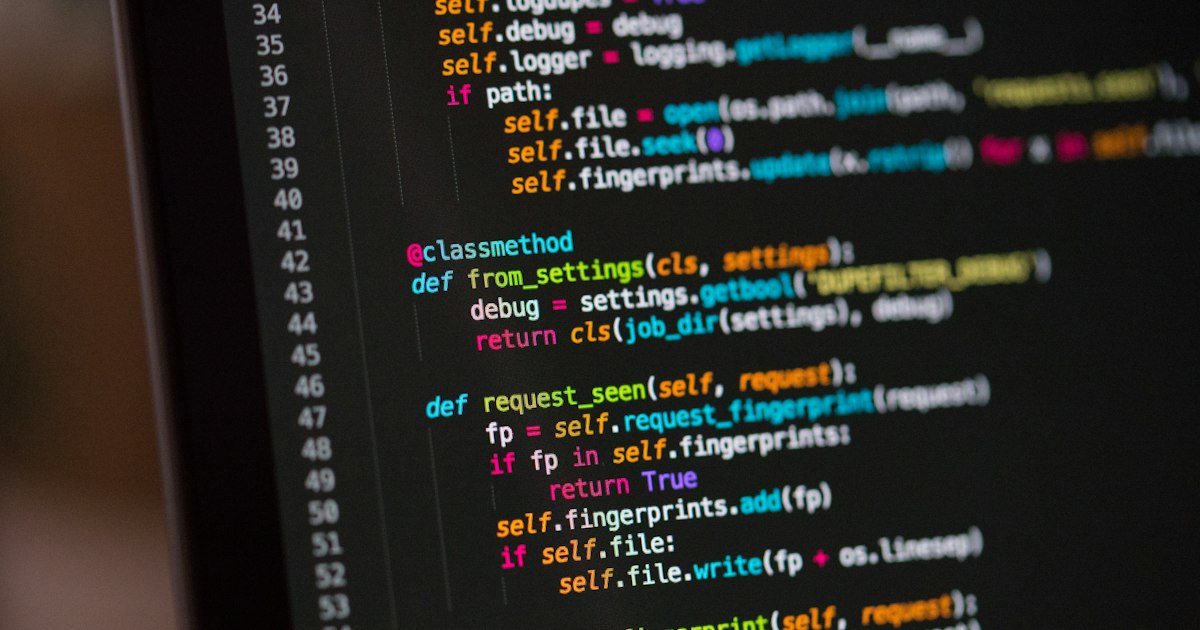
Code editor showing SQL database migration from Oracle to PostgreSQL with syntax conversion and programming workflow

Oracle to PostgreSQL migration isn't about rewriting everything from scratch. 70-80% of SQL works with minor syntax adjustments. The remaining 20-30% requires understanding key differences in how each database handles data types, functions, and procedural logic.

This guide covers real production SQL conversions from Oracle to PostgreSQL. If you're an Oracle DBA planning a PostgreSQL migration, these are the patterns, gotchas, and solutions that actually work.

Monday, February 16, 2026

Automating Backup and Restore in Oracle 19c and 23ai: Complete DBA Guide

Automating Backup and Restore in Oracle 19c and 23ai: Complete DBA Guide

Automating Backup and Restore in Oracle 19c and 23ai: Complete DBA Guide

Production-Tested RMAN Automation Scripts and Recovery Strategies
📅 February 05, 2026
👤 Chetan Yadav - Senior Oracle & Cloud DBA
⏱️ 18-20 min read
⏱️ Estimated Reading Time: 18–20 minutes
💾 Oracle RMAN Automation - From Manual Backups to Fully Automated Recovery

At 3 AM on a Tuesday, our production Oracle 19c database crashed. Corrupted datafile. The application team was screaming. The CTO was on the call. Everyone looked at me.

I typed one command: ./restore_prod.sh PRODDB 2026-02-04_23:00. Twenty-three minutes later, the database was back online with zero data loss. The automated backup and restore framework I'd built six months earlier just saved our jobs.

Automated backup systems and data storage visualization representing Oracle RMAN backup automation and disaster recovery infrastructure

Manual backup and restore processes are where Oracle DBAs lose the most time. Automating RMAN backups isn't about convenience—it's about reliability, consistency, and being able to restore in minutes instead of hours when production is down.

This guide covers production-tested automation frameworks for Oracle 19c and 23ai. If you're still running manual RMAN scripts or struggling with backup consistency, these patterns will save you hours every week and make disaster recovery predictable.